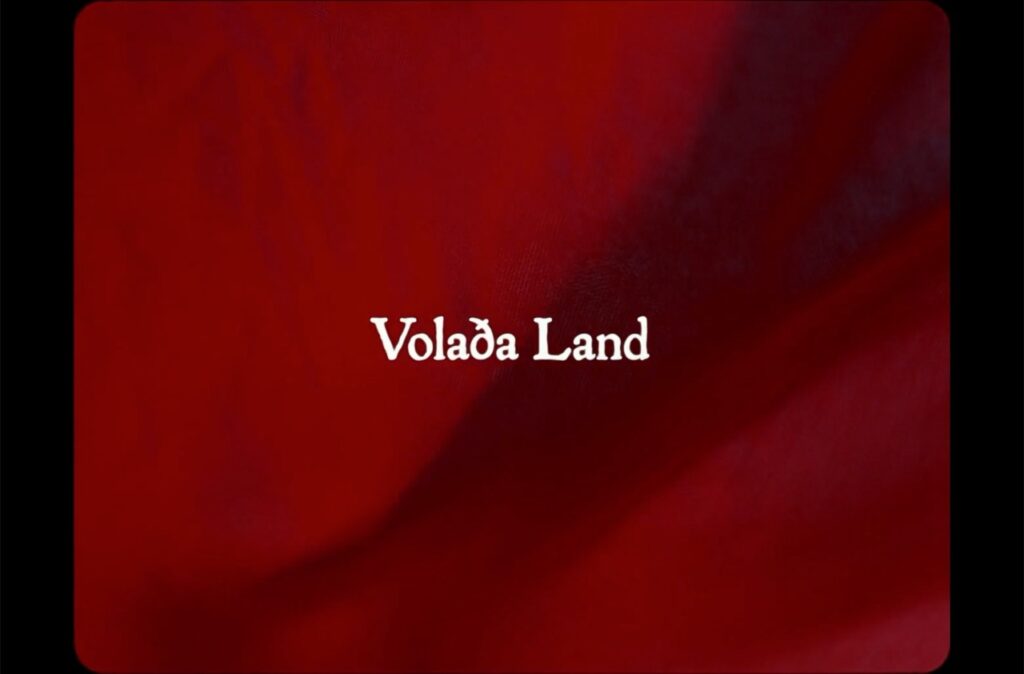
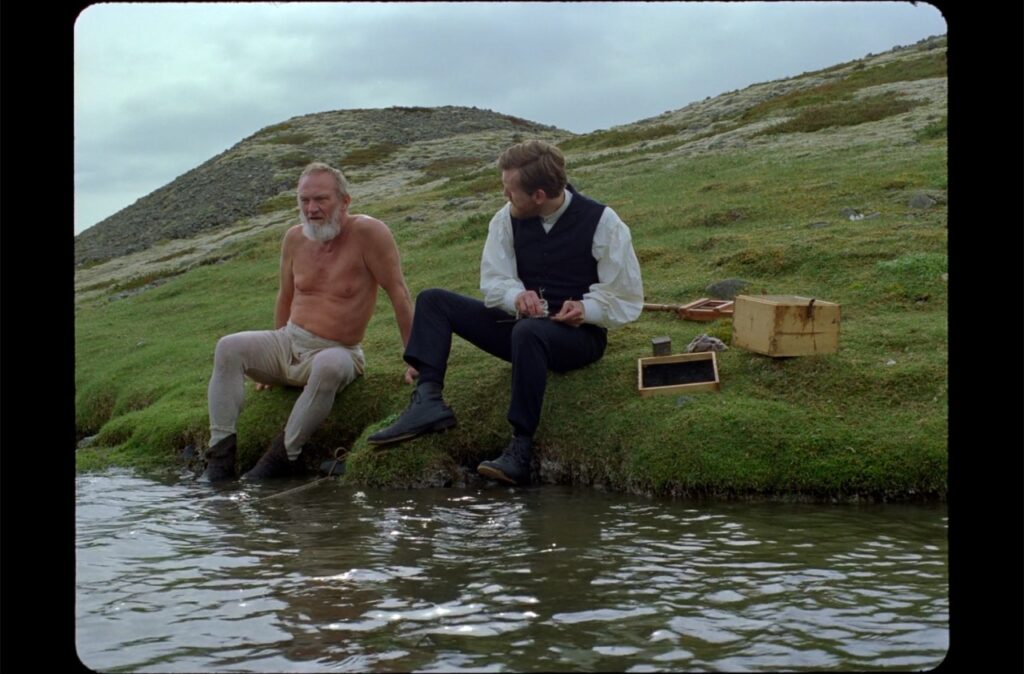
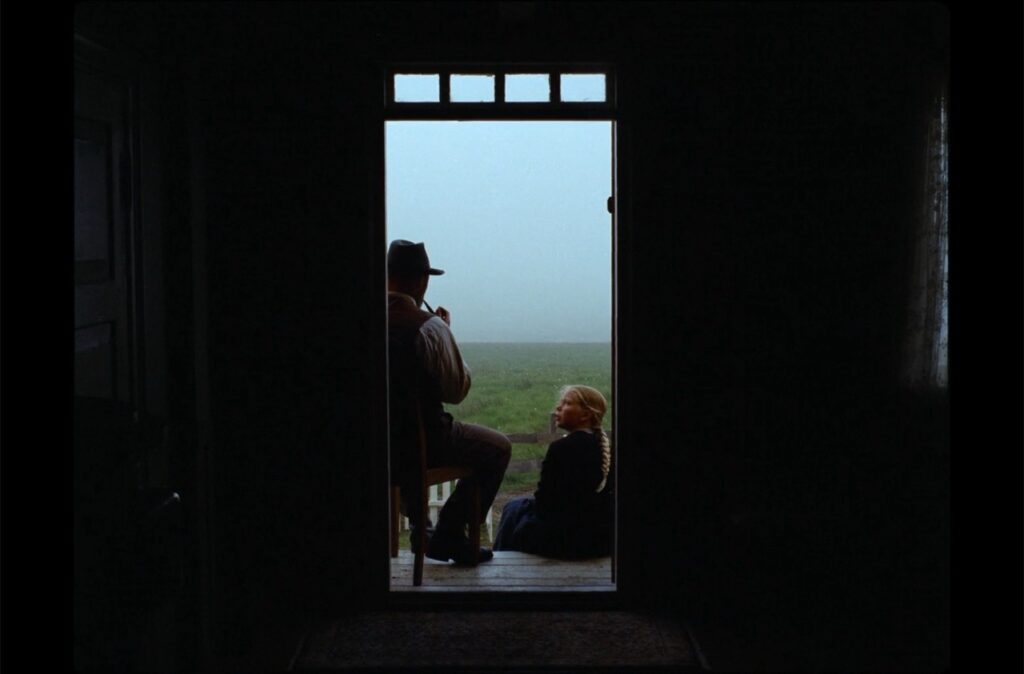
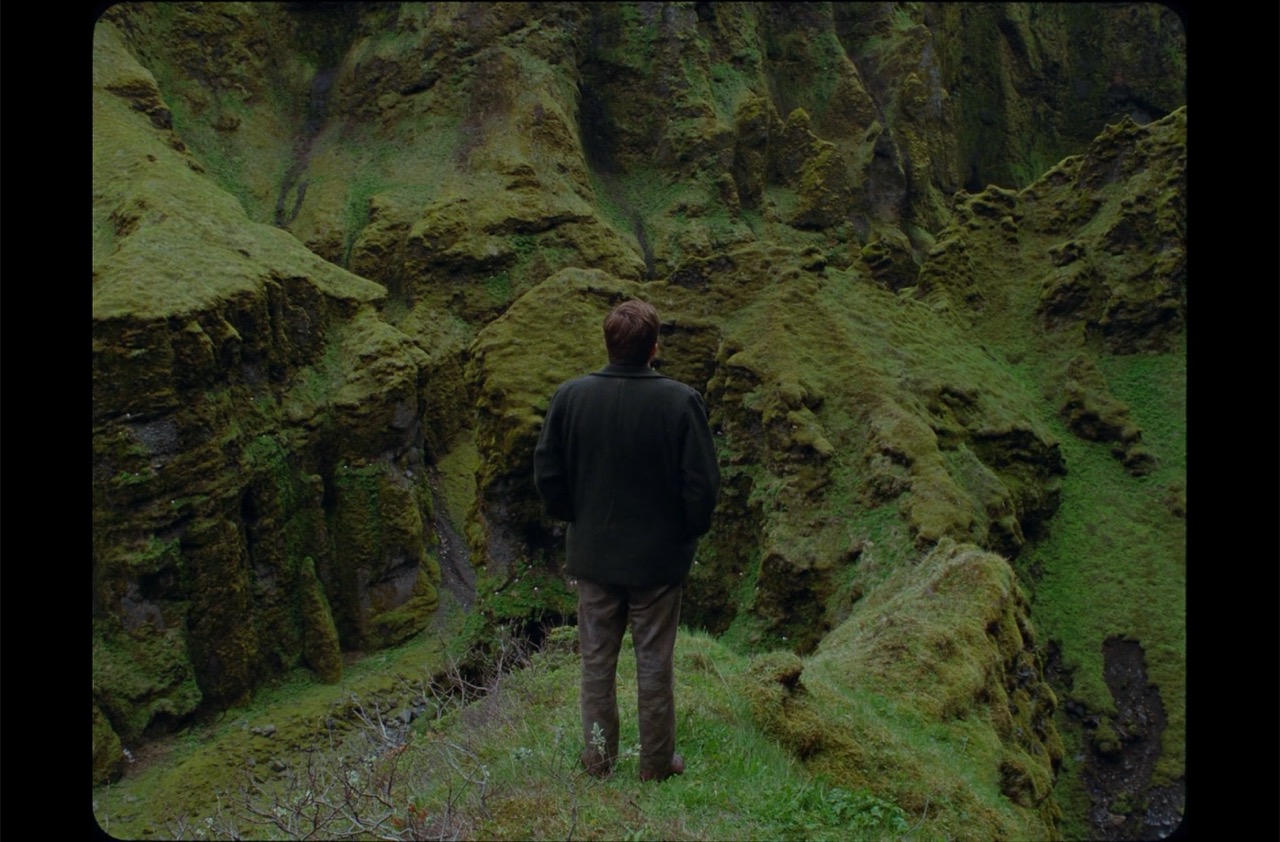
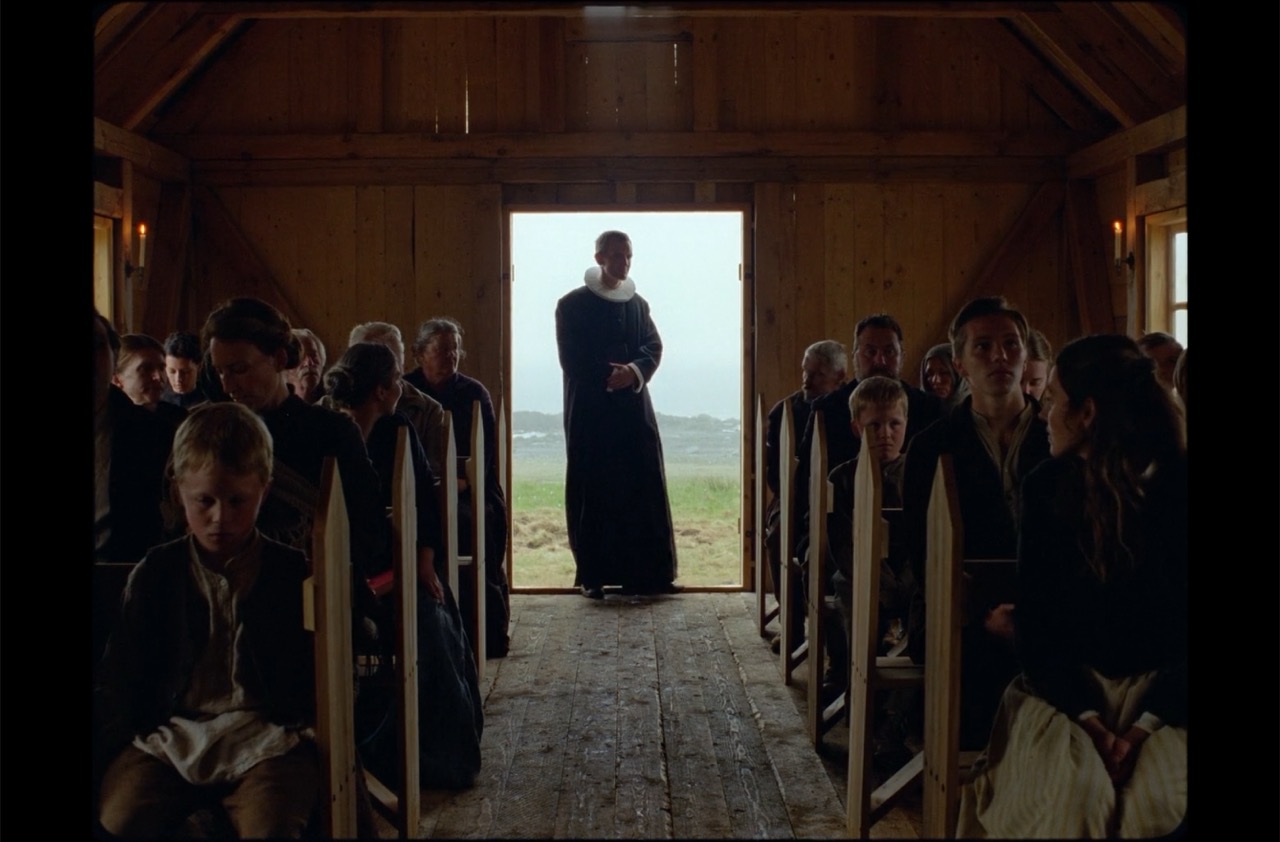
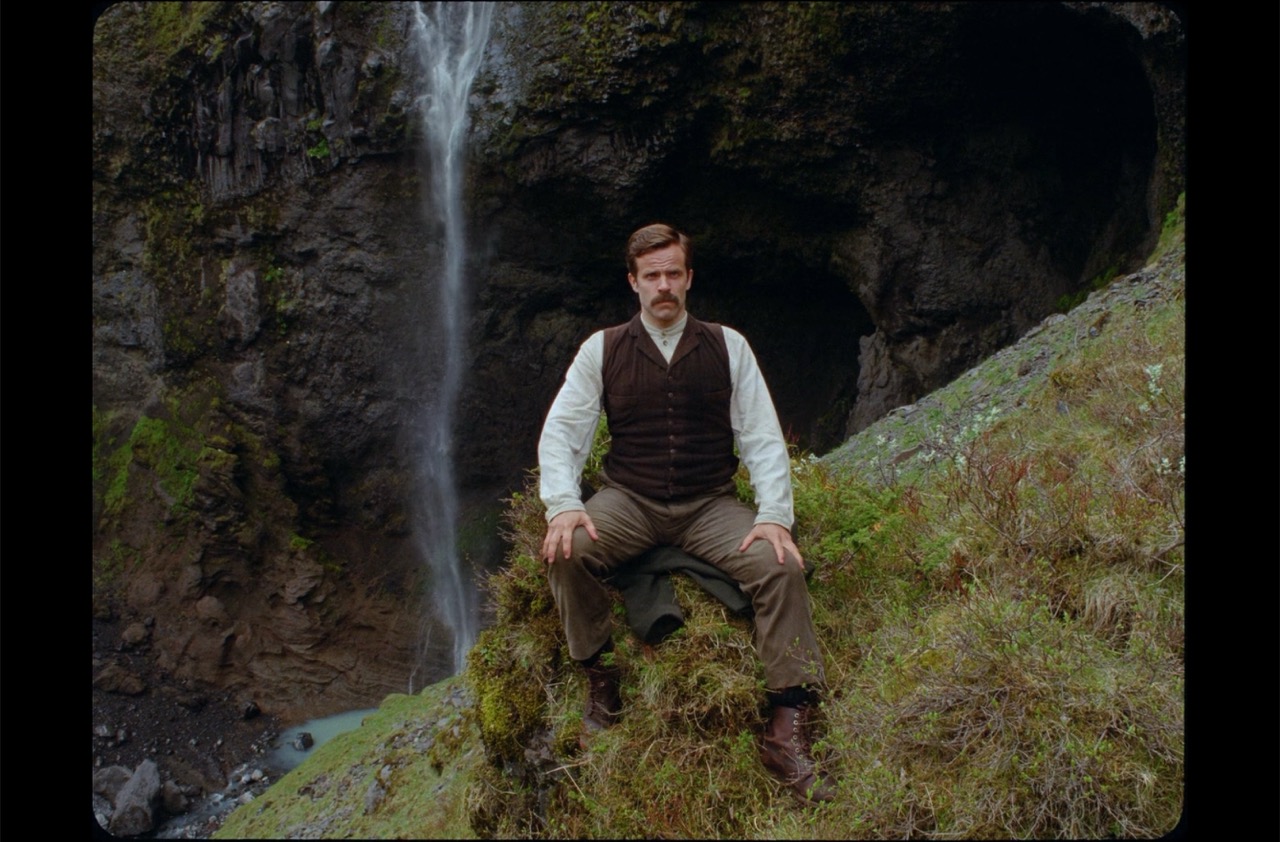
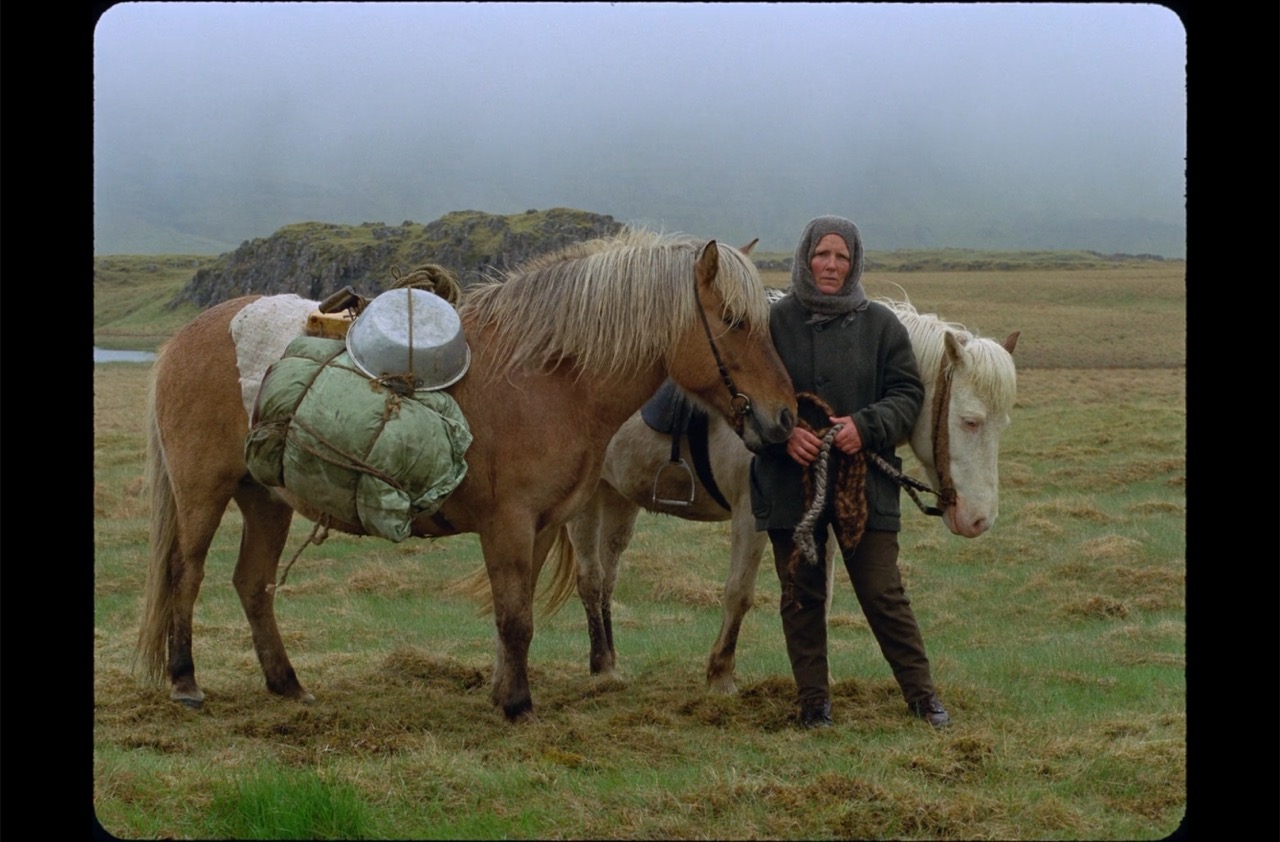
In Hlynur Pálmason’s Godland (2022), photography is not merely a narrative tool: it lies at the heart of the film, connecting Danish priest Lucas to an unforgiving Icelandic landscape. Shot on 35mm, this third collaboration between the Icelandic director and Swedish cinematographer Maria von Hausswolff is a visual masterpiece, with its static portraits and vast panoramas.
The choice of film: an organic connection to the landscape and voracious Iceland
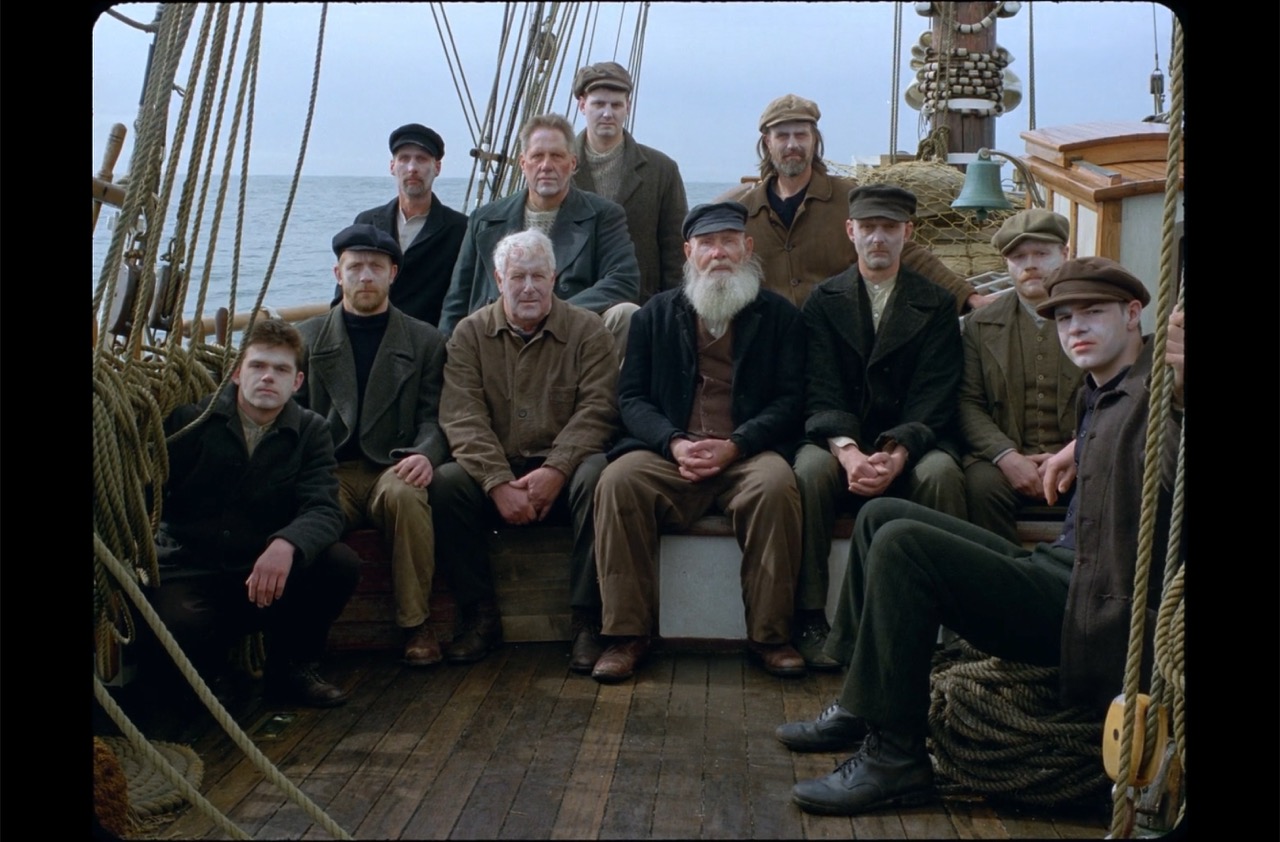
Maria von Hausswolff never hesitated, as evidenced in this interview on the Kodak website: “Shooting on celluloid film again was never in doubt. We both felt that framing Godland in 4:3 aspect ratio on 35mm film created a real connection to the landscape and the portraiture of the people, whilst also resonating with the photographs that Lucas takes with his wet plate camera.”
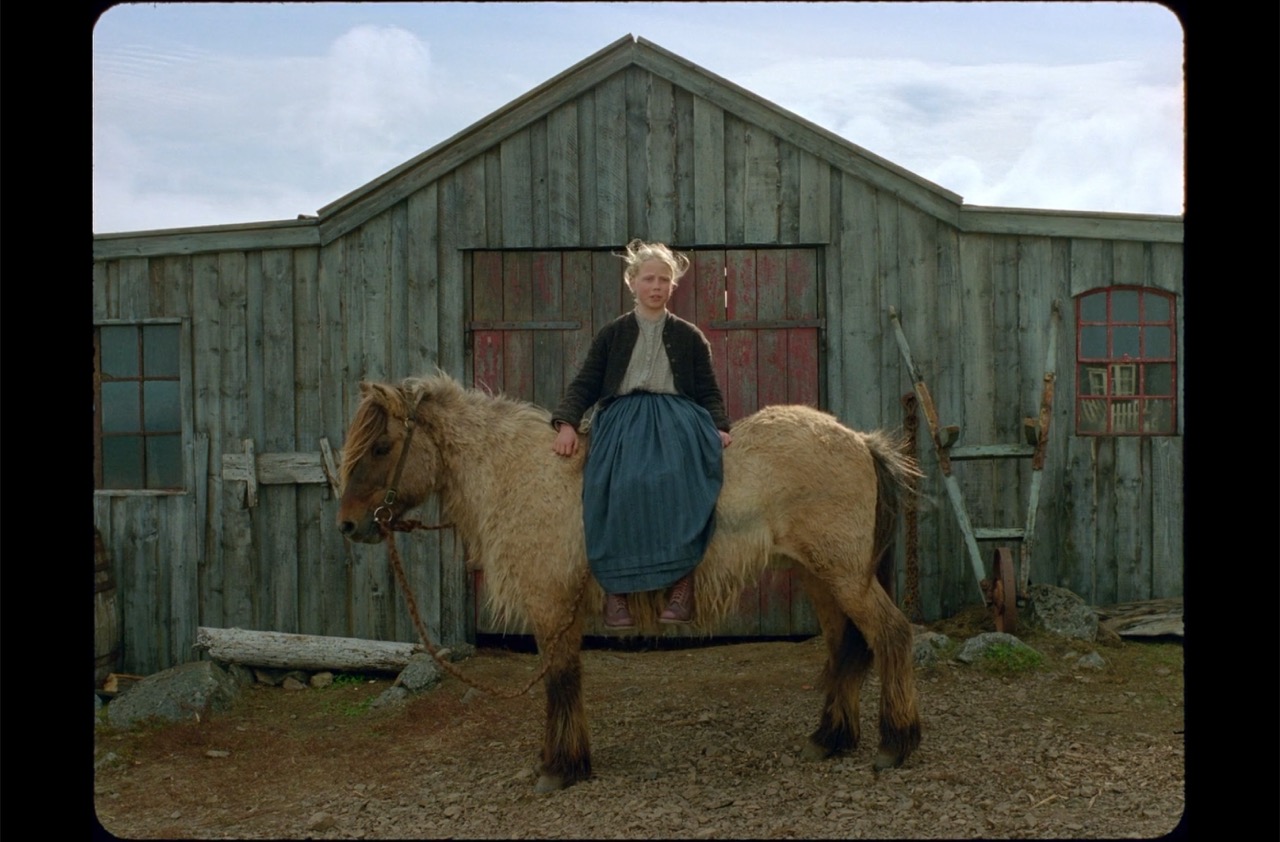
Kodak 50D and 250D stocks capture the vibrant color of Icelandic lands, with an ideal grain texture for skin tones and light changes – even indoors or through windows, when the Icelandic night remains twilit. This forgiving medium prevails over digital: “If I shoot an exterior scene from sunrise to sunset, I retain detail in both shadows and highlights. Film is very forgiving, unlike digital which requires more crew and lacks information. And its imperfections – dust, scratches – become part of the emotion, like an oil painting that reacts.”




Photography as colonial weapon: posing Iceland at will
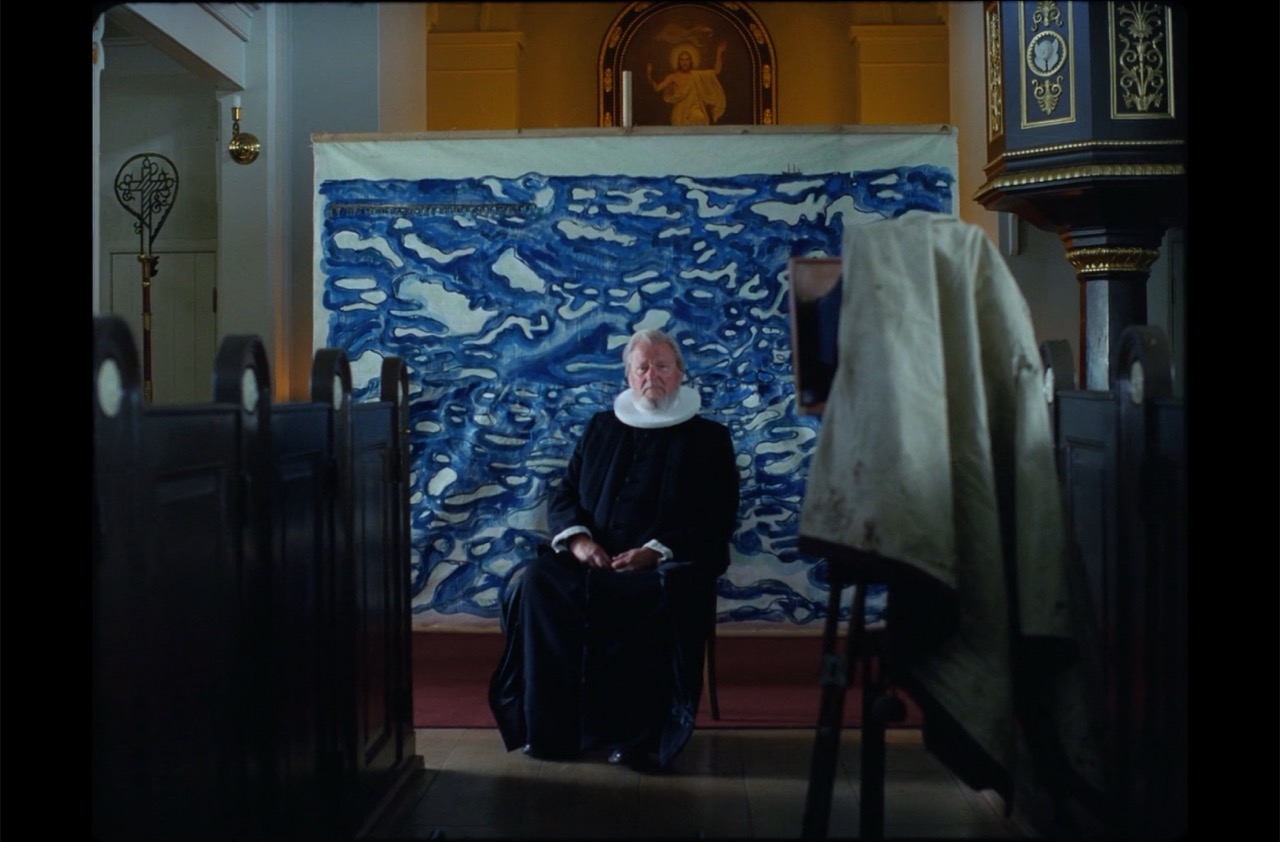
The story opens with the first authentic photographs of Iceland, rediscovered, which Lucas brings on his evangelical mission. Unable to communicate, not speaking Icelandic, he takes refuge in his wet plate camera, a comfort in his solitude. We enter his journey as he does: through the viewfinder, imposing rigid poses on his subjects, echoing Danish colonial domination.
The priest who sends him poses before an artificial, idealized backdrop; the Icelanders, meanwhile, face raw nature. Pálmason creates a fictional historical context to question the authenticity of colonial narratives: Lucas frames Iceland to project his preconceived order onto it, just as the film invites us to doubt imposed “realities.”


Painted landscapes and centered framing: an Iceland that devours man
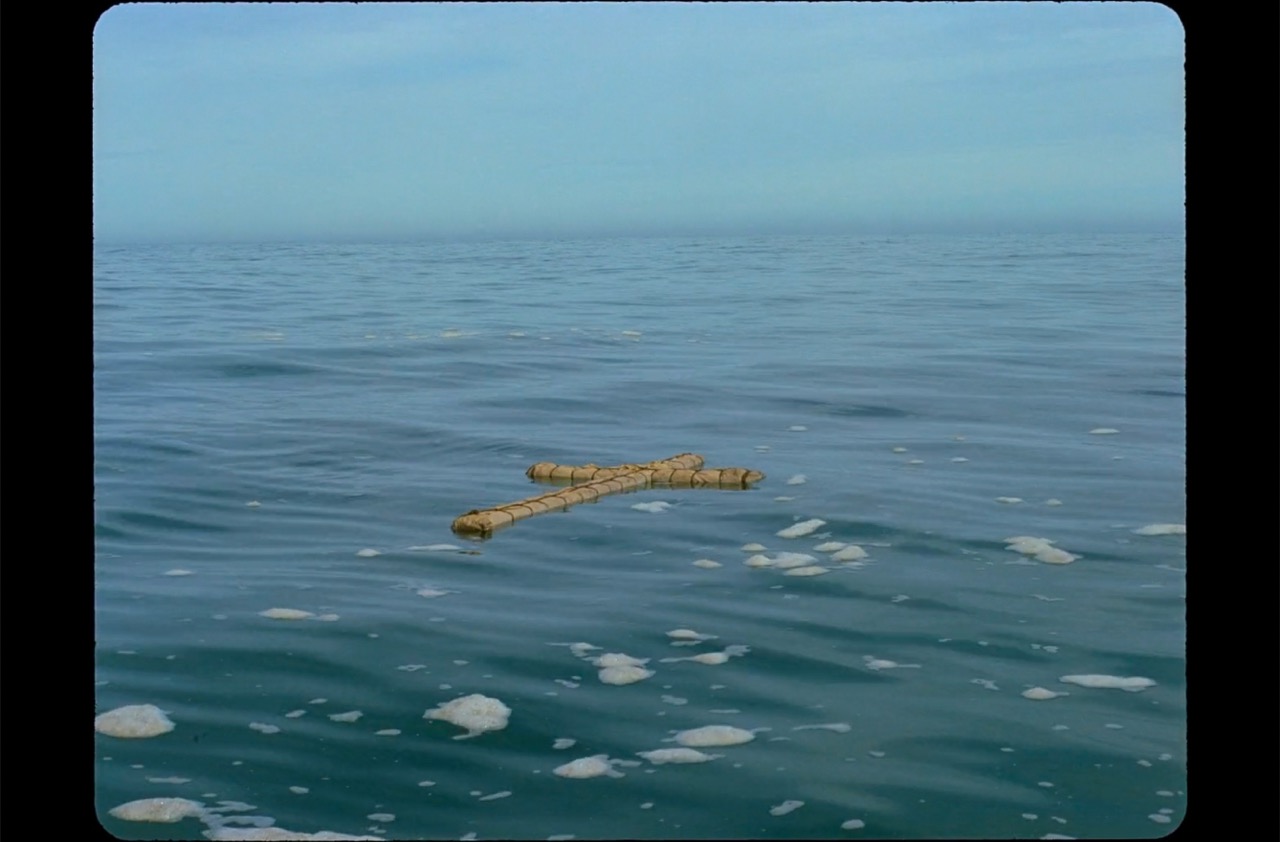
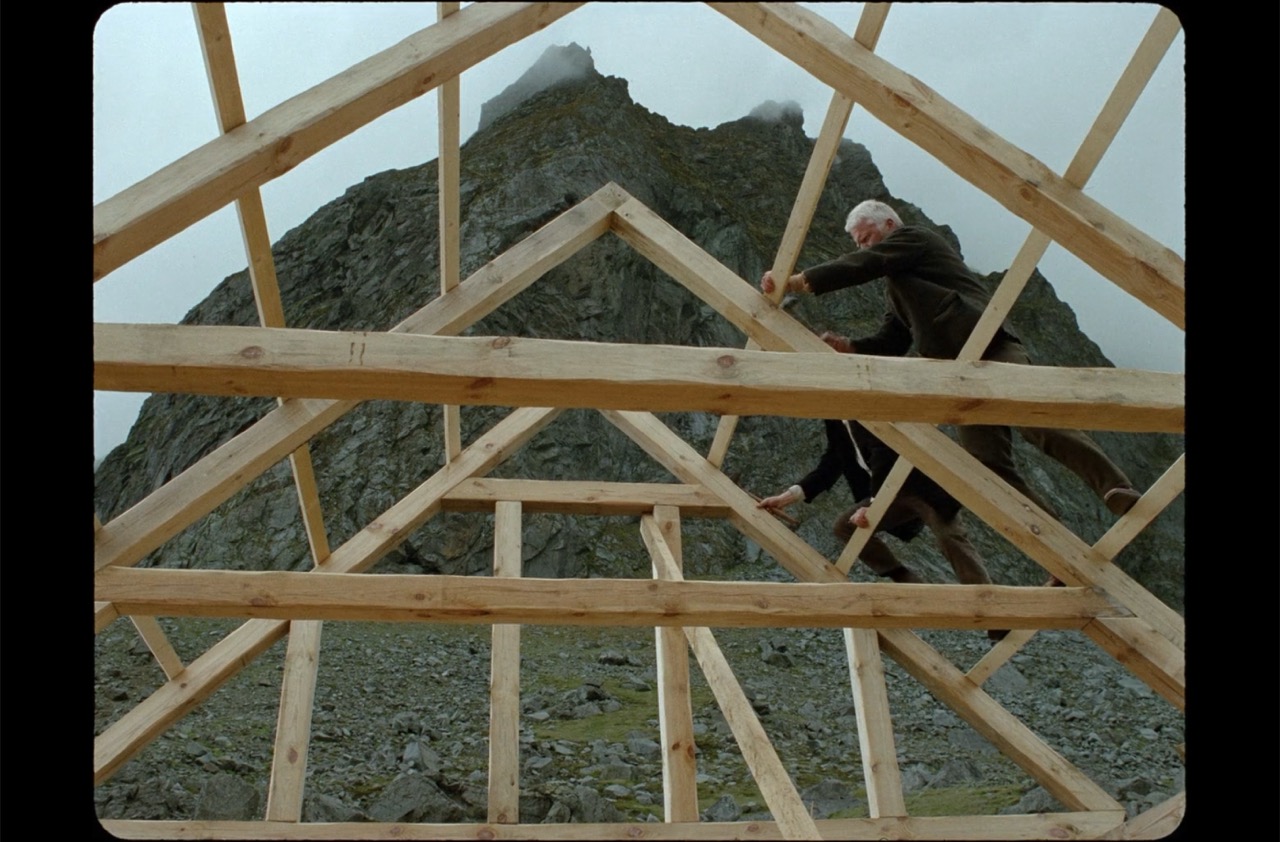
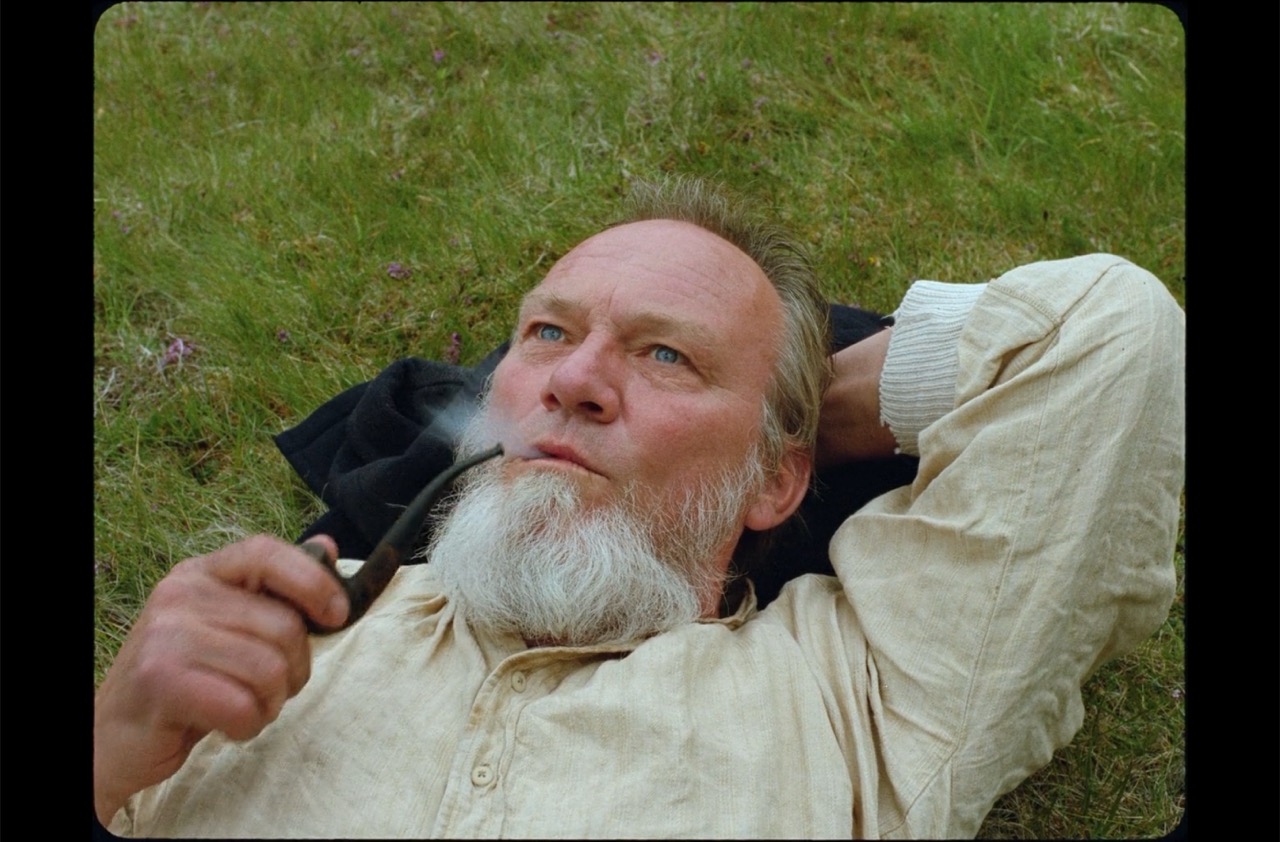
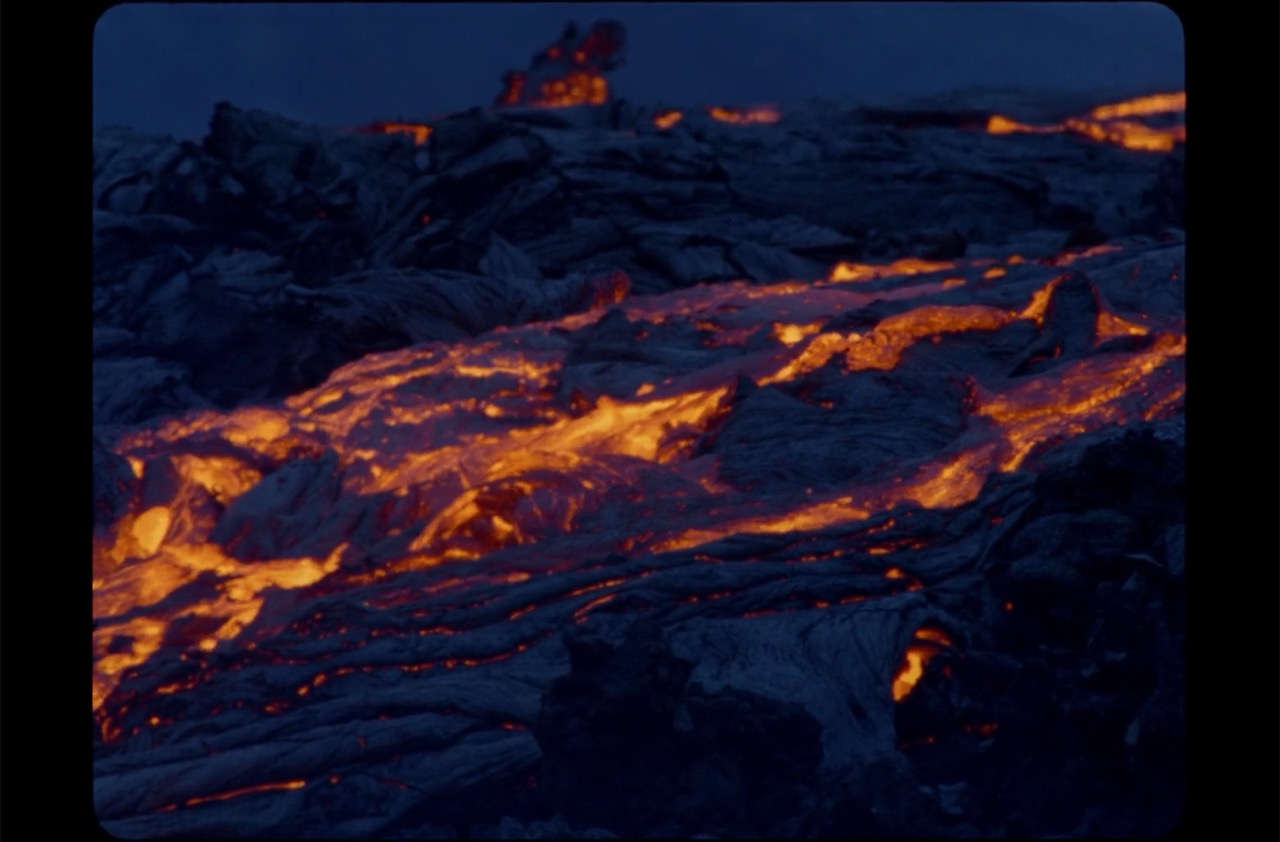
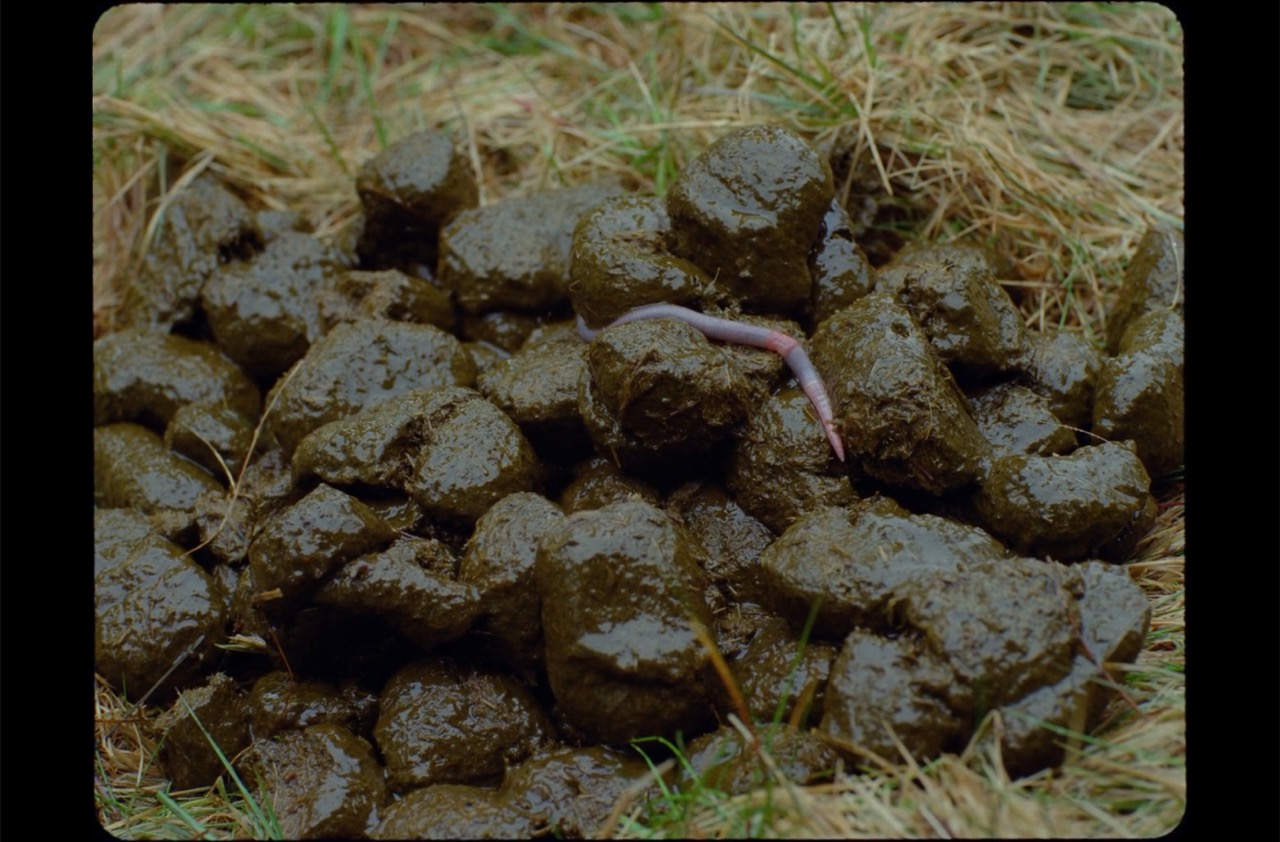
Influenced by 19th century travel journals and paintings (without tourist icons), the shots revolve around locations personal to Pálmason – his father’s farm, a mushroom field. The centered framing, von Hausswolff’s signature, simplifies and mesmerizes: “It’s intuitive, it guides the eye effortlessly, reinforcing the narrative.” Lateral tracking shots follow characters from afar, underlining Lucas’s detachment; immense shots personify Iceland, swallowing the human. Add two striking 360° shots and a slow tracking shot over a vertiginous waterfall: nature dictates the rhythm.

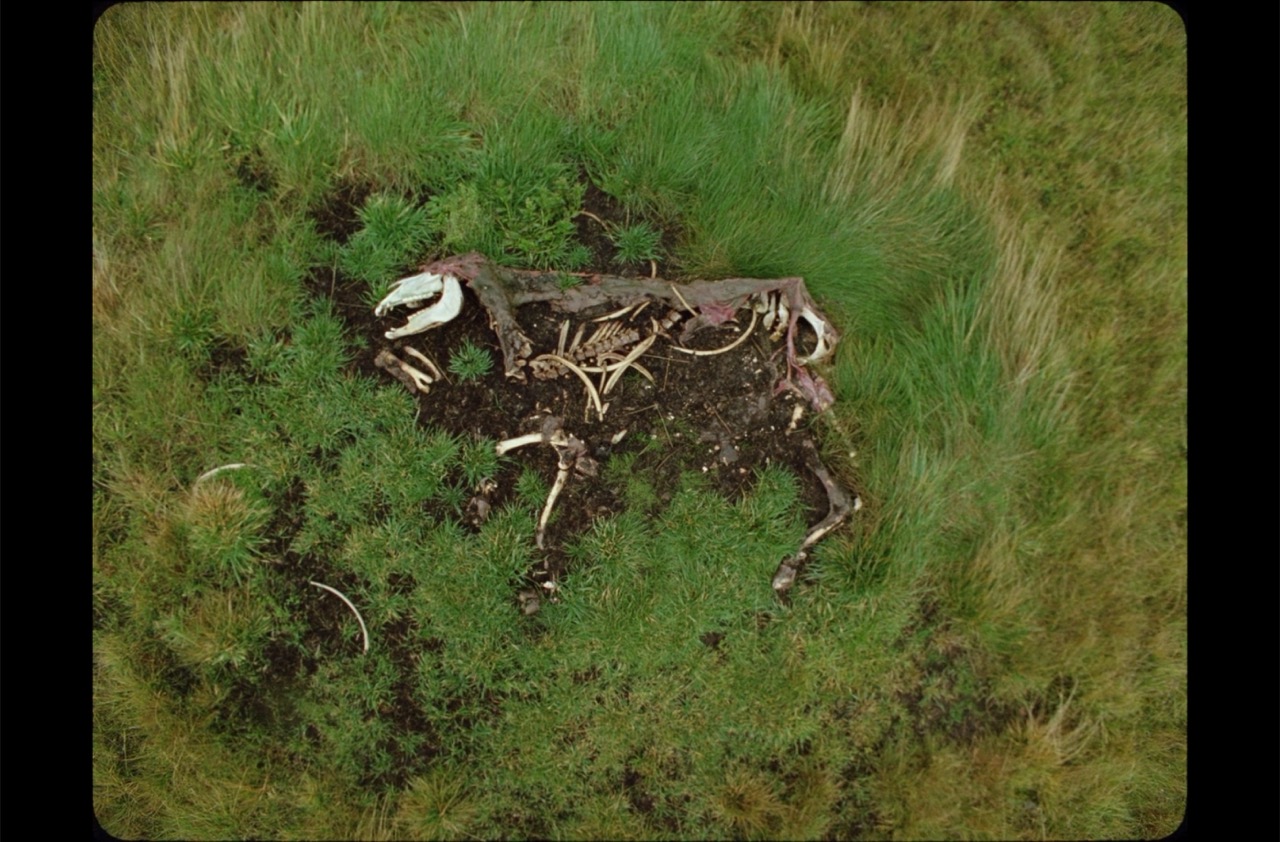
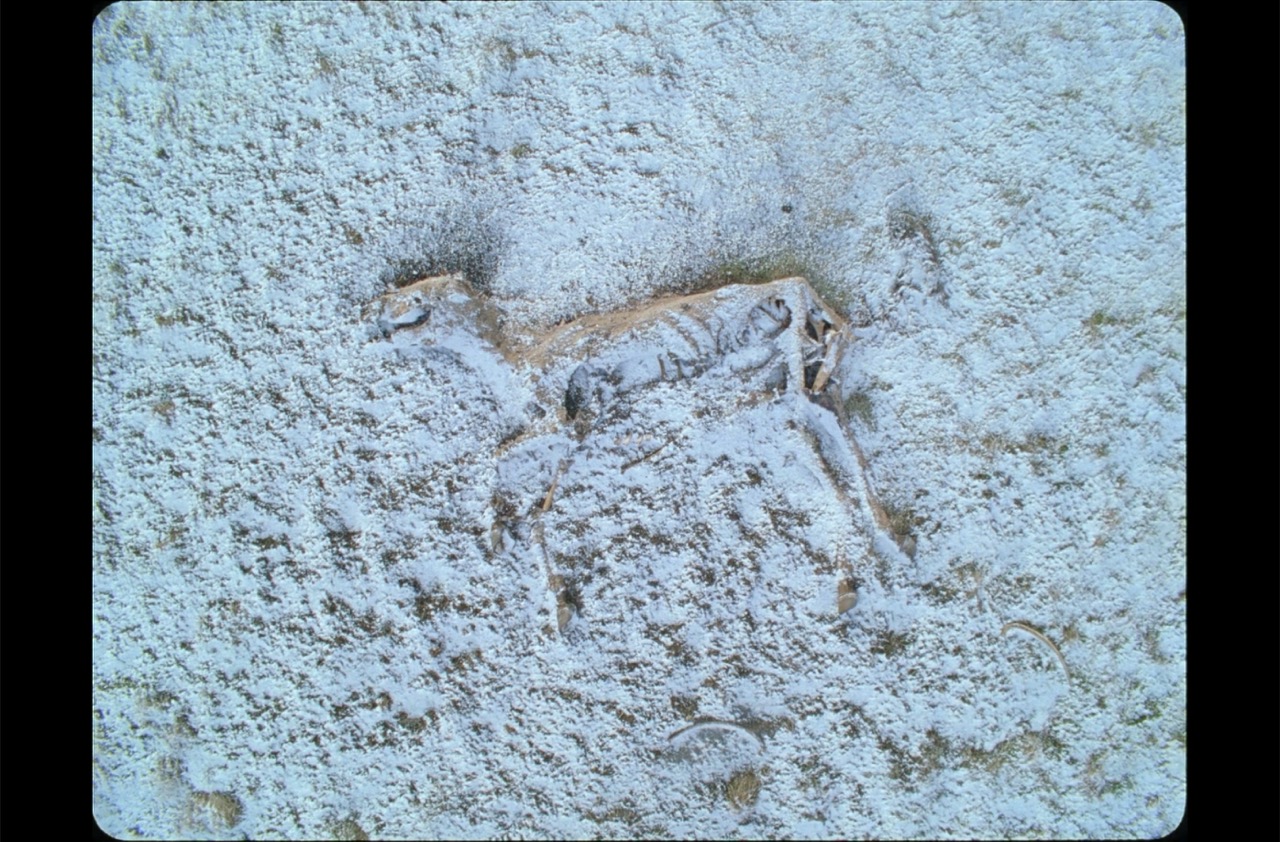
Pálmason himself crafted superb timelapses (horse, final body barely visible in the harsh landscape), a technique inherited from his short film Nest (2022), accentuating the inexorable passage of time.
While we’re at it, his new film, The Love That Remains, is currently in theaters.